
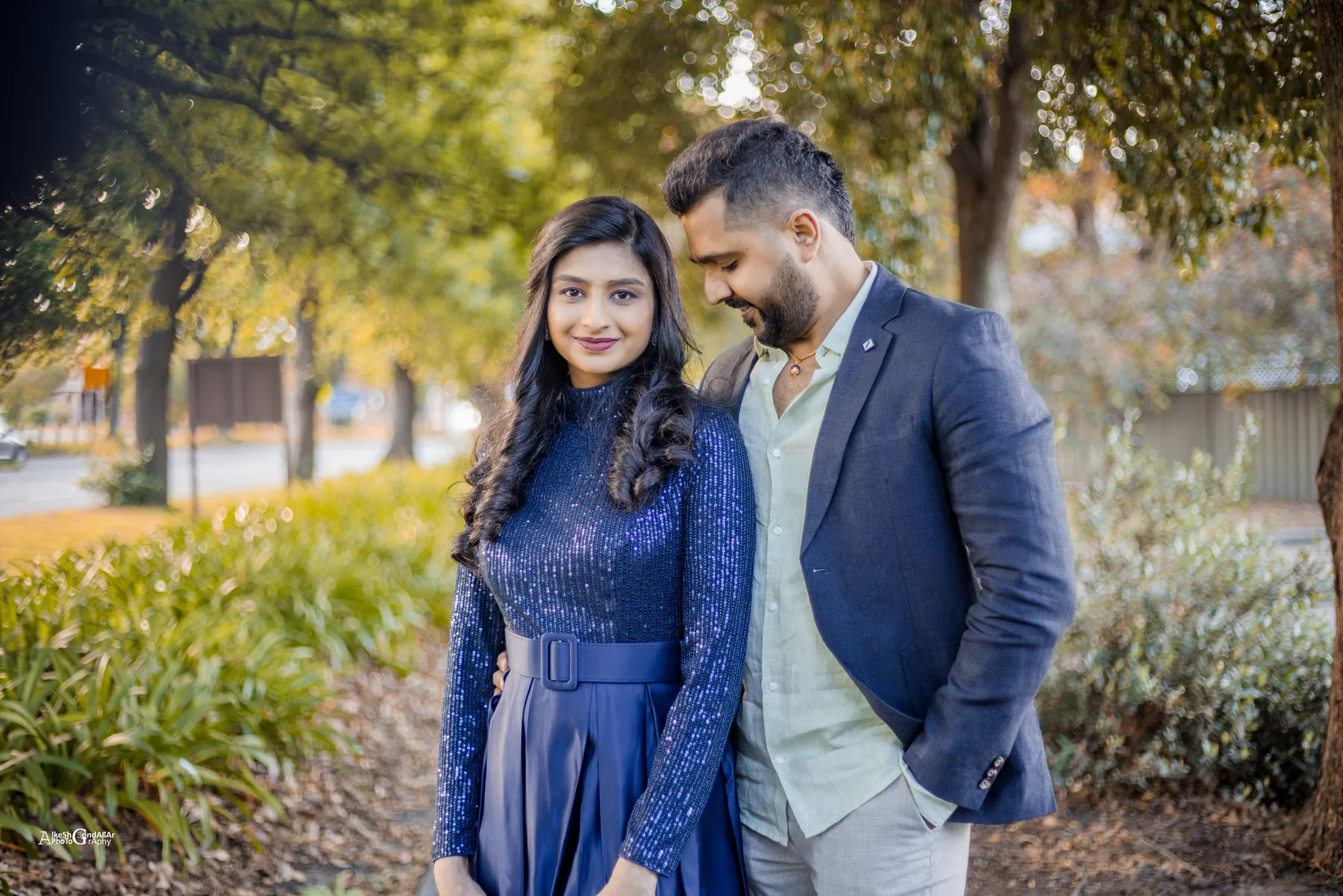
If you only remember one thing, remember this: golden hour is usually a 20 to 35 minute usable window, not a full hour of perfect light. On busy wedding days, that window disappears fast unless it is protected in your schedule.
Start with sunset, then reverse engineer
Open your location weather app two weeks before the date and note sunset time. Then block your portrait window to start about 60 minutes before sunset. That gives us time for movement, quick resets, and family transitions before light drops.
A practical sequence that works
- Family formals: complete these before golden hour starts.
- Couple portraits: reserve the cleanest 20 minutes for these.
- Wedding party: slot 10 to 15 minutes nearby, not during peak soft light.
- Room for candids: leave 5-minute float buffers for natural interactions.
Ceremony timing choices
Late-afternoon ceremonies can look beautiful, but if they run long they can eat your portrait time. If your ceremony duration is uncertain, give portraits a second fallback slot earlier in the day under open shade.
What clients can control easily
The two biggest wins are simple: keep travel between ceremony and portrait location short, and choose one nearby portrait area instead of three distant stops. Less moving around means more time making real images.
If you are still building your shot priorities, start with the shot-list guide and then layer this timeline on top.
Final check 48 hours before
Confirm transport timing, weather backup plan, and one trusted person who can gather family members fast. This small coordination step keeps your photo timeline calm even when the day gets noisy.