
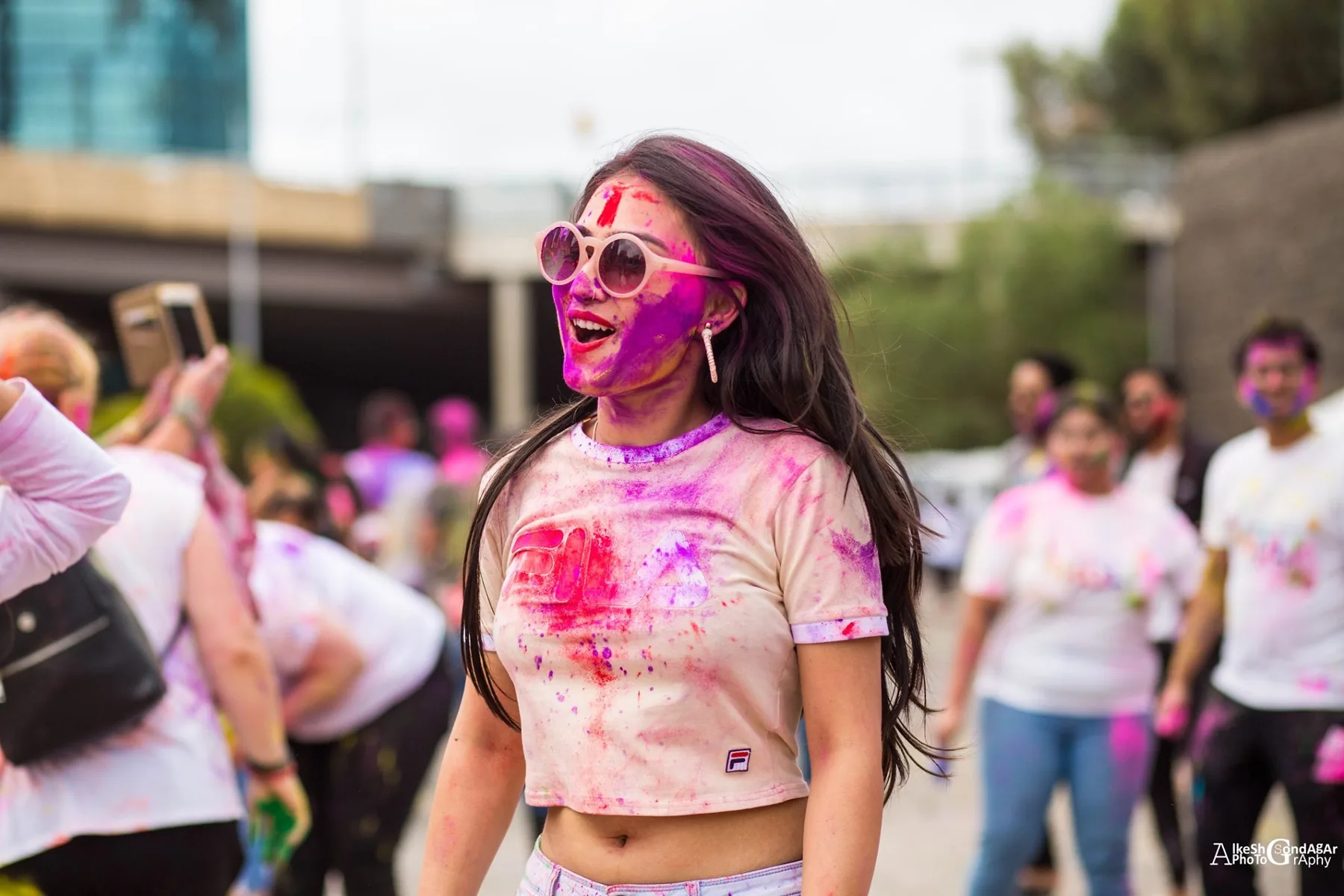
Most brand shoots get delayed because the brief is too broad. "Modern, premium, natural" sounds clear until it is time to decide wardrobe, set, props, and pose direction. Moodboarding solves this by turning abstract style words into visible choices.
Build your board in five buckets
- Color and tone: light and airy, neutral and minimal, rich and contrasty, or bold editorial.
- Pose energy: direct eye contact, movement frames, candid interactions, or composed hero looks.
- Location style: studio, textured outdoor, architectural interiors, or lifestyle settings.
- Styling direction: structured, relaxed, formal, or creative fashion-led looks.
- Detail shots: tools, hands at work, environment, and brand objects.
Choose references that match your real context
Use references that fit your budget, your city, and your available spaces. Copying a New York loft campaign when your shoot is in a compact office usually creates friction.
Keep the board focused
12 to 20 images is enough. Beyond that, direction gets diluted and decision quality drops. Pick fewer images with clear intent.
Turn it into a usable brief
Add a one-line note under each image: what exactly are we borrowing from this frame? Light angle, crop, expression, color grade, or composition? This avoids confusion during shoot day.
For wardrobe support, use this with the color pairing guide so your board and outfits stay aligned.
Final prep before shoot day
Lock your top 6 hero references, send them to everyone involved, and keep one backup concept if weather or location changes. You will still have flexibility, but your shoot won’t lose direction.