
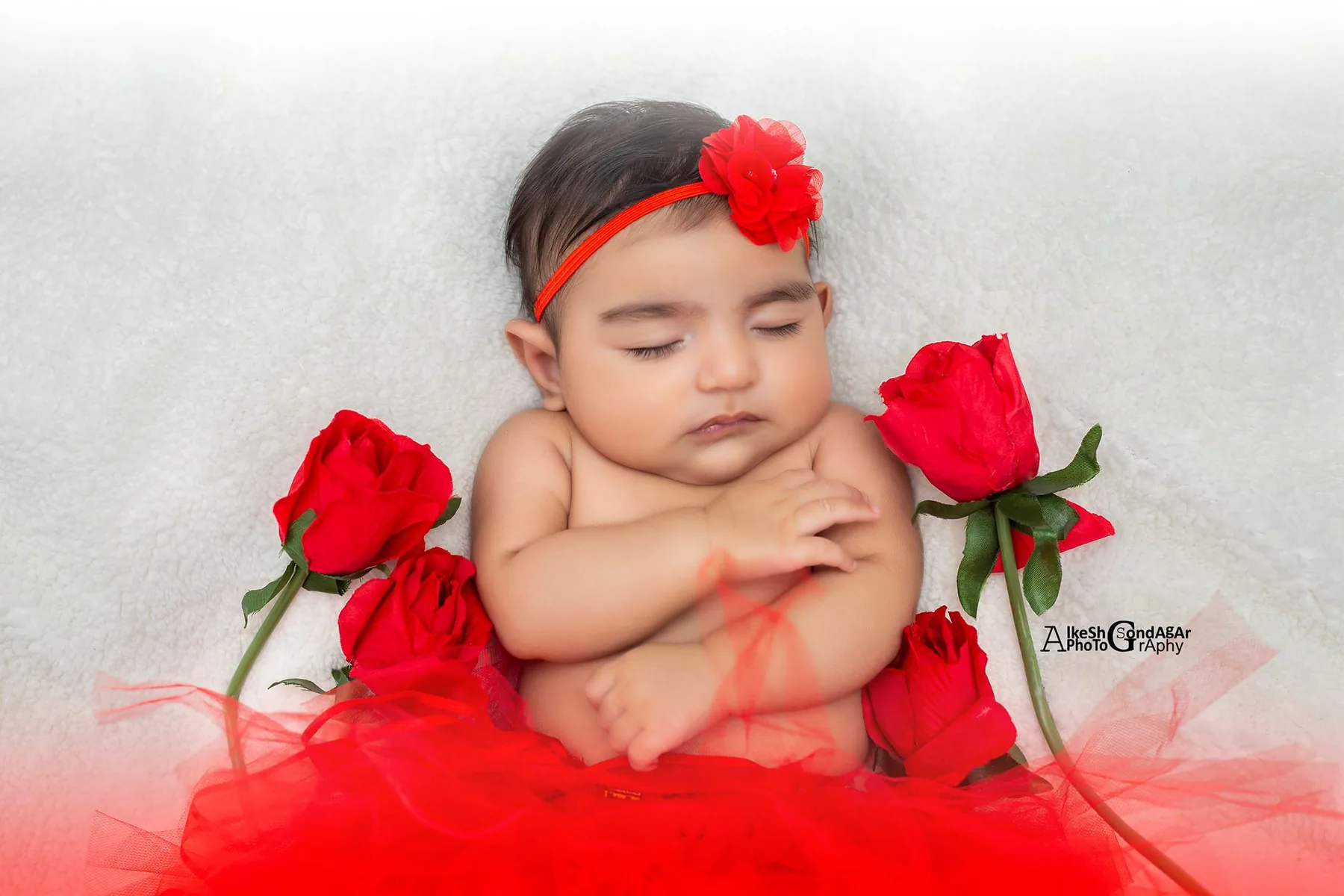
Good styling does not need to be expensive. It needs to be intentional. Most portrait color problems come from one thing: every piece in the outfit competing for attention.
Use a base, support, and accent model
- Base color: one dominant tone (navy, cream, charcoal, olive).
- Support color: one softer complementary tone.
- Accent color: one small pop through scarf, accessory, lipstick, or jacket detail.
This keeps the frame clean and lets your expression carry the image.
Safe combinations that read well on camera
Earth palettes and desaturated tones usually perform best for cinematic edits. For example: olive + beige, navy + cream, rust + charcoal, muted blue + warm neutrals.
Neon and very high-saturation patterns can pull focus from faces. Use those only if the concept specifically needs a bold editorial look.
Texture beats busy prints
Knits, linen, denim, silk, and matte cotton give depth without noise. Large logos and high-contrast patterns can date the photo quickly and distract in close-ups.
Group portraits: coordinate, don’t match
Ask everyone to stay inside one palette family instead of wearing identical colors. This keeps individuality while making the final frame feel cohesive.
If you are planning story direction too, pair this with the editorial moodboarding guide.
Final prep the night before
Steam outfits, remove pocket clutter, and bring one backup layer. These small details save time on set and keep momentum during the shoot.